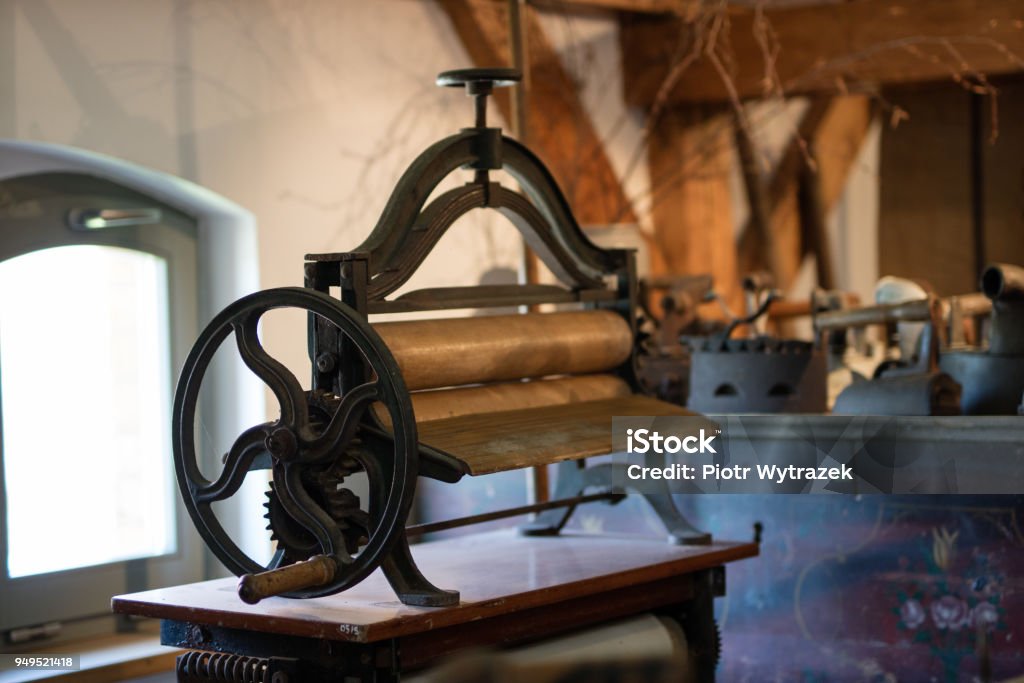
Antique printing presses are not only functional tools but also important pieces of printmaking history. Restoring them requires a careful balance between preserving their character and ensuring they operate effectively.
The restoration process typically begins with a detailed assessment. This involves identifying structural issues, worn components, and any previous repairs or modifications. Many antique presses have undergone multiple changes over their lifetime, which can complicate restoration.
Cleaning is a crucial first step. Years of ink, dust, and corrosion must be carefully removed without damaging original surfaces. In some cases, conservation methods are preferred over full refinishing to retain the press’s historical appearance.
Mechanical components such as bearings, gears, and linkages often require repair or replacement. Where original parts are no longer available, new components may need to be machined to match the original specifications.
Alignment is particularly important. Ensuring that platens or cylinders are correctly positioned is essential for achieving even pressure and consistent printing results.
In some cases, restoration may also involve stabilising the frame or repairing structural elements. This ensures the press remains safe to use.
A well-restored antique press can continue to produce high-quality work while preserving its historical significance. With the right expertise, these machines can remain in active use for generations.
